Dog Vaccination Schedule: Protecting Your Puppy and Adult Dog from Serious Diseases
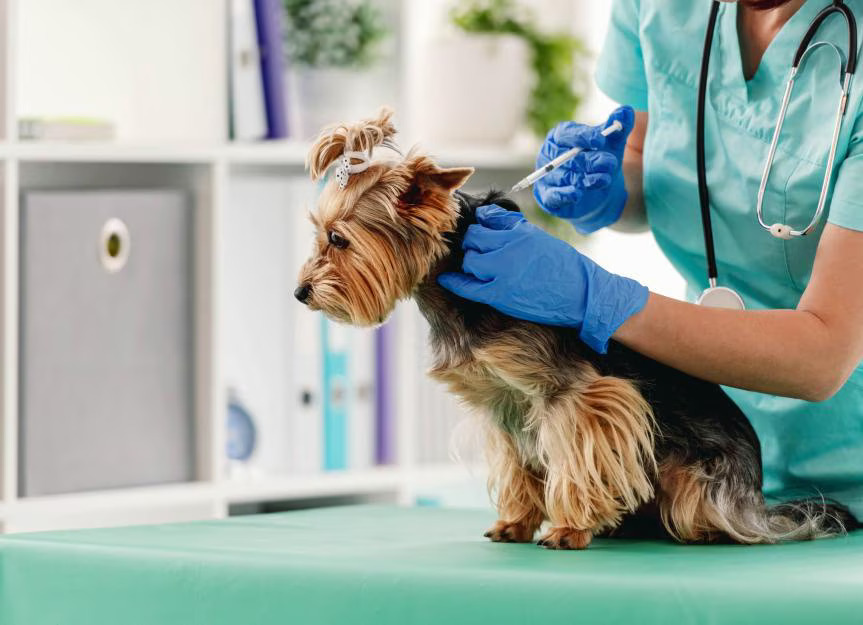
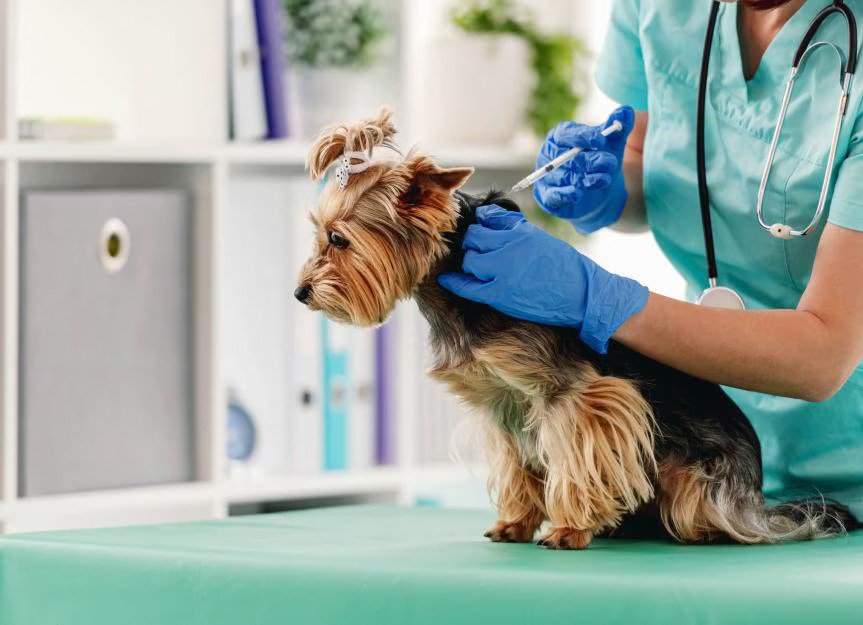
Vaccinations are critical to keeping your dog healthy. They prevent life-threatening viral and bacterial diseases and help protect other animals around your dog.
This article summarizes the current vaccination schedule for dogs based on the guidelines from the Small Animal Veterinary Association (KHVHD).
Types of Vaccines for Dogs
-
Core Vaccines: Recommended for all dogs
-
Non-Core (Risk-Based) Vaccines: Given depending on your dog’s lifestyle and exposure risk
Core Vaccines
-
Canine Distemper Virus
-
Canine Parvovirus
-
Canine Adenovirus (Hepatitis)
-
Rabies
Puppy Vaccination Schedule
-
6–8 weeks: First combination vaccine (Distemper, Parvo, Adenovirus)
-
9–11 weeks: Second combination vaccine
-
12–14 weeks: Third combination vaccine
-
After 12 weeks: Rabies vaccine
Note: Some clinics also include Leptospirosis during this period.
Adult Dog Booster Vaccines
-
Combination vaccines: 1 year after initial series, then every 1–3 years based on risk
-
Rabies vaccine: usually yearly according to local regulations
Non-Core Vaccines
-
Leptospirosis
-
Bordetella bronchiseptica (Kennel Cough)
-
Lyme disease
Note: Especially important for dogs in kennels, dog parks, or multi-dog households.
Conclusion
Your dog’s vaccination program should be personalized by your veterinarian based on age, health, and lifestyle. Regular vaccinations are the safest and most effective way to protect your dog from serious diseases.
At Ölüdeniz Neşeli Patiler Veterinary Clinic, we make sure your dog receives the right vaccines to stay healthy and happy.